
H4 Towing: Complete Guide to Parking & Towing Management
H4 Towing helps HOAs, residents, and visitors manage parking and towing online — fast registration, secure payments, and real-time tracking.
Parking shouldn’t feel like a puzzle. Between guest passes, resident vehicle records, and towing disputes, most residential communities juggle far more paperwork than they should. H4 Towing was built to solve exactly that problem — giving visitors, residents, and property managers instant access to permits, towing tools, and vehicle tracking, all from one online platform.
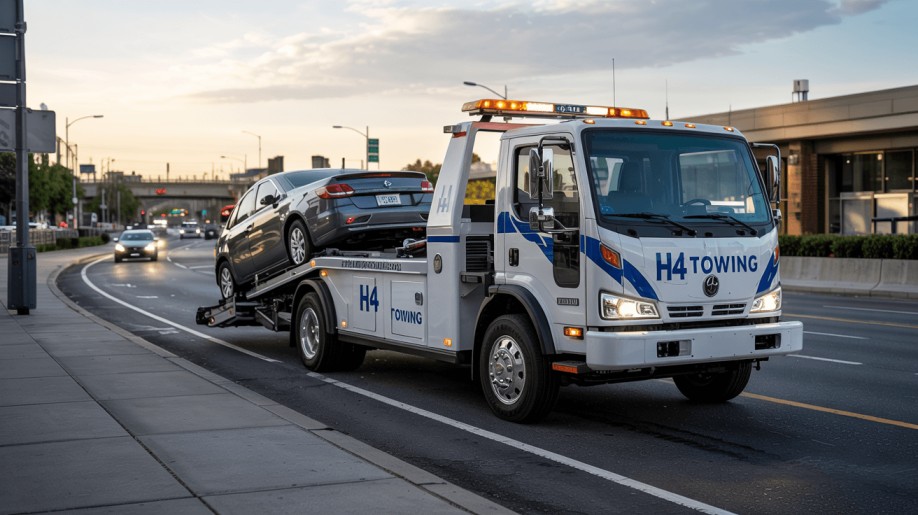
This guide walks through what H4 Towing is, how each type of user registers and logs in, the platform’s key features and benefits, how it compares to similar tools, and answers to the most common questions people have before using it.
H4 TOWING REGISTRATION
What is H4 Towing?
H4 Towing is an online parking and towing management system used by homeowners’ associations (HOAs), apartment complexes, gated communities, and property managers. At its core, it exists to answer one question in real time: who is allowed to park here, and for how long?
Instead of relying on paper permits, hangtags, or a security guard’s memory, H4 Towing keeps a live digital record of every registered vehicle on a property. That record is instantly accessible to enforcement teams, meaning unauthorized vehicles can be identified — and towed — quickly, while properly registered guests and residents are left alone.
The platform also integrates with R2Park, which extends its capabilities around vehicle registration and paid parking. This integration means residents and visitors can register a vehicle and complete payment for parking in the same streamlined flow, rather than juggling two separate systems. For communities that already use R2Park for space management, the integration reduces friction and keeps enforcement data consistent across both platforms.
Because the entire system runs through a web browser, there’s no special hardware or app installation required. Anyone with a phone, tablet, or computer can register a vehicle, check a parking rule, or authorize a tow in a few minutes.
Who Uses H4 Towing?
H4 Towing is built around three distinct types of users, each with a login flow and toolset suited to their role: visitors, residents, and property managers. This separation matters because each group needs different information and different levels of access — a guest doesn’t need a management dashboard, and a property manager needs far more oversight than a one-time visitor.
Understanding which category you fall into is the first step to using the platform correctly, since the registration process differs slightly depending on your role.
Visitor Booking Process
If you’re visiting someone in a gated community or residential complex, registering your vehicle before you arrive (or as soon as you park) is the easiest way to avoid getting towed.
Visitor Requirements
Before starting, have the following ready:
Step-by-Step Visitor Registration
Tip: Save your confirmation email or take a screenshot right after registering. If a security question comes up later — say, a patrol officer questions your vehicle — having proof of registration on hand resolves it instantly.
Visitor registration is designed to take just a few minutes, and in most cases can be completed from a phone before you even get out of the car.
Property Management Portal
Property managers get a more advanced set of tools, since they’re responsible for overseeing towing authorization, visitor records, and reporting across an entire property or multiple units.
Login Requirements
How to Use the Management Portal
Management Tools
Once logged in, property managers can:
These tools are particularly useful for larger properties, where dozens or hundreds of vehicles may need tracking at any given time. Rather than manually cross-referencing paper logs, managers can pull a report in seconds.
Resident Access
Residents interact with H4 Towing most often, since they’re registering their own vehicles long-term and tracking guest activity on an ongoing basis.
Account Options
Resident Login Steps
Resident Features
Once logged in, residents have access to:
This gives residents more control and transparency than a traditional paper-based system, since they can check guest registration status or review past activity without contacting the office.
Key Features of H4 Towing
Across all three user types, several features define what makes the platform useful day to day:
Benefits of Using H4 Towing
The practical upside of switching to a system like this shows up in a few consistent ways:
Why Communities Choose H4 Towing
H4 Towing has built trust with hundreds of properties, largely due to a combination of simplicity and reliability:
For HOAs and property managers specifically, the appeal often comes down to fewer complaints. When residents and visitors can self-register in minutes and management has clear records to fall back on, the number of disputes over towing and unauthorized parking tends to drop noticeably.
How H4 Towing Compares to Similar Platforms
H4 Towing isn’t the only parking management system on the market, but its direct integration with R2Park is a notable differentiator. Rather than requiring properties to run two disconnected systems — one for registration and enforcement, another for paid parking — the integration keeps vehicle data and payment records in sync.
This matters most for properties that charge for visitor parking or manage a mix of paid and free spaces. Instead of a visitor registering in one system and paying in another, the process is combined into a single flow, which reduces confusion and cuts down on registration errors.
Tips to Get the Most Out of H4 Towing
Whether you’re using the platform once as a visitor or managing it daily as a property manager, a few habits make the experience smoother:
For visitors:
For residents:
For property managers:
Small habits like these reduce the number of support tickets and disputes a property has to deal with, and they make the platform more useful for everyone involved.
FAQs About H4 Towing
CONCLUSION
H4 Towing offers a smart, reliable way to manage parking and towing within residential communities. Whether you’re a visitor needing quick access, a resident checking your vehicle status, or a property manager overseeing multiple units, the platform provides a fast and secure solution for everyone involved.
With real-time registration, straightforward login options for each user type, and clear authorization steps for towing, H4 Towing removes much of the confusion that comes with traditional paper-based parking systems. Its integration with R2Park further simplifies the experience for properties that also manage paid parking, keeping registration and payment in a single flow rather than two separate processes.
From permits to vehicle tracking to towing authorization, everything a community needs is available in one place — giving residents, visitors, and property managers full control over the parking experience with just a few clicks.